
Now accepting new patients
Scheduling is simple. Call or email to set up a free 30-minute tele-health consultation.
-
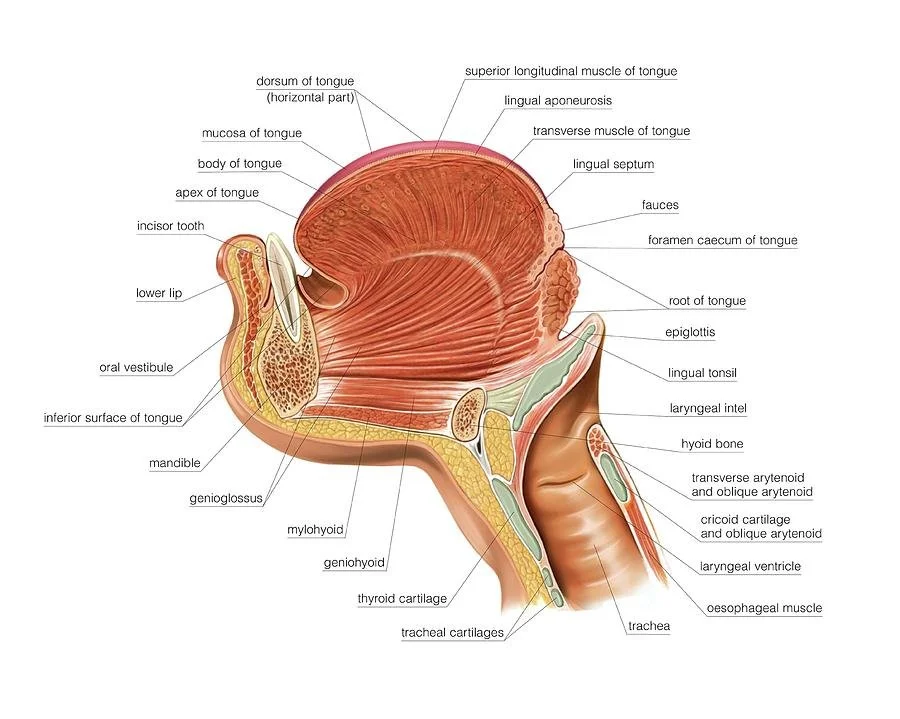
Myofunctional therapy is a specialized approach focused on identifying and treating dysfunctions and compensatory patterns in the tongue and facial muscles. At its core, myofunctional therapy works to restore proper muscle function and support optimal breathing, swallowing, and oral posture.
There are four primary goals of myofunctional therapy:
Proper tongue resting posture against the roof of the mouth
A correct and efficient swallow pattern
Lips comfortably sealed at rest
Breathing primarily through the nose
-
Dysfunctions and compensations of the tongue and facial muscles can develop for many reasons. Common contributing factors include:
Physical factors, such as tongue ties or lip ties
Environment factors, including allergies or chronic nasal congestion
Oral habits, such as thumb sucking, prolonged pacifier use, or mouth breathing
Over time, these factors can lead to structural changes in the mouth and face, affecting overall function and health.
-
Healthcare providers are continually learning and adapting as new research emerges. In recent years, there has been a growing understanding of how sleep, breathing, oral posture, and tongue function influence not only facial development but overall health and well-being.
As this field continues to evolve, providers are integrating this knowledge into patient care. Like many emerging therapies, it takes time for new information to become widely known and routinely discussed.
-
Improper tongue posture, dysfunctional swallowing, and the body’s compensations for these patterns can impact far more than just the mouth. They may increase the risk of or contribute to:
Difficulty breathing through the nose
Mouth breathing or snoring
Jaw pain, neck pain, or shoulder tension
Frequent headaches
Teeth clenching or grinding (current or past)
Chipped or broken teeth due to clenching, grinding, or misalignment
Narrow dental arches, crowded teeth, or a high palate
A history of orthodontic relapse or the need for multiple rounds of orthodontic treatment
Difficulty swallowing pills or feeling the need to consciously think about swallowing
Frequent ear infections (current or past)
Research also suggests links between chronic oral dysfunctions and increased stress on the body, which may contribute to conditions such as high blood pressure, sleep disturbances, anxiety, depression, ADHD diagnoses, and worsening allergy symptoms.
These are just some of the indicators we evaluate during an assessment.
Frequently Asked Questions

Kira Grass
OMT, RDH
As a myofunctional therapist and registered dental hygienist with nearly 20 years of experience, I bring a unique understanding of oral anatomy, function, and how these systems affect the entire body.
While exercises can be found online, myofunctional therapy is not a one-size-fits-all approach. Each person’s history, habits, anatomy, and compensations are different. Often, these patterns have developed over many years and addressing them requires individualized assessment and guidance.
For children, early intervention can be life-changing—supporting proper growth and development, and potentially preventing future behavioral and health challenges.
While my role focuses on tongue and facial muscle function, I approach care holistically. No part of the body functions in isolation. My evaluations may include recommendations or referrals to dentists, orthodontists, ENT specialists, chiropractors, massage therapists, sleep physicians, or physical therapists when appropriate.
My goal is to be proactive—helping identify and address root causes rather than simply managing symptoms.